

A musician's newsletter signup page is the single most important conversion point between a casual listener and a committed fan. The best artist newsletter signup examples share three qualities: they state a clear reason to join, promise a specific sending frequency, and deliver at least one concrete subscriber benefit. Artists like Matt Beard, Lloyd Dobson, Shaun Forward, and Cason Creative Studio have each built signup pages that convert because they answer the three questions every visitor asks: What is this? Why should I join? What will I actually receive?
1. Top features of high-converting artist newsletter signup pages
The most effective artist email list examples are built around audience segmentation, explicit benefits, and frequency transparency. These three elements work together to reduce unsubscribes and increase the perceived value of joining your list.
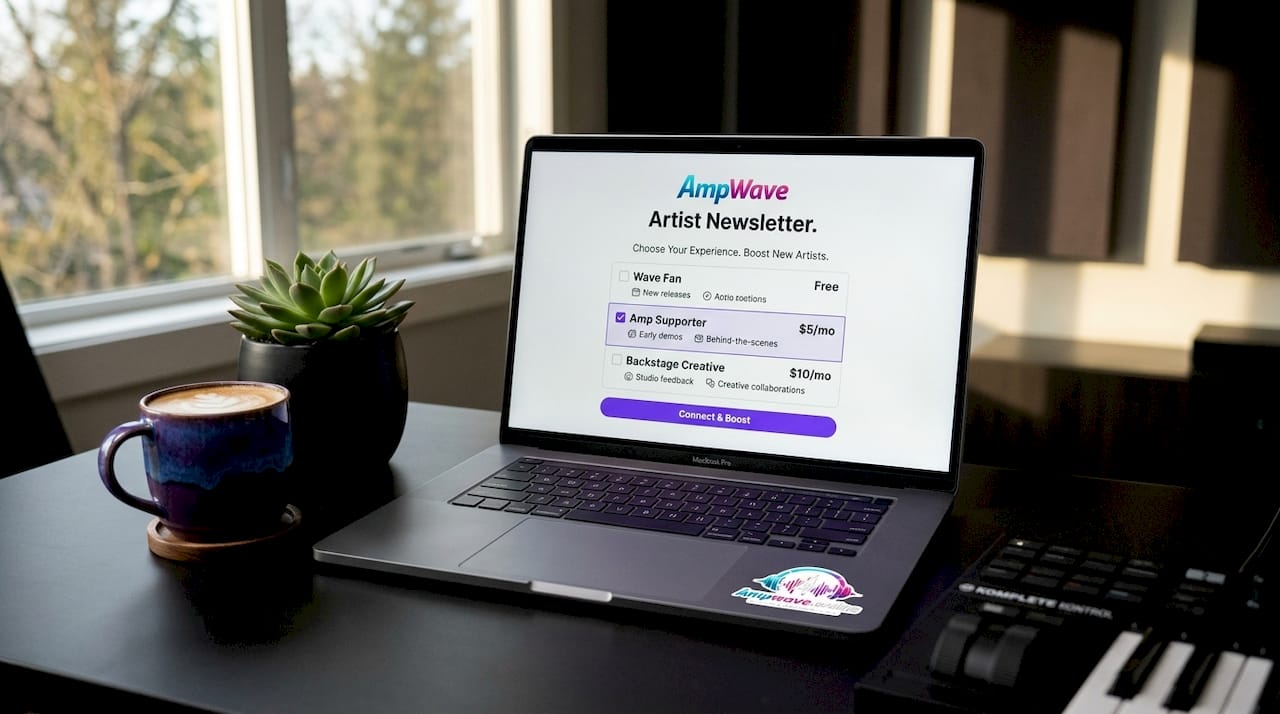
Segmented signup options
Tiered signup options let fans self-select based on their specific interest, which reduces unsubscribe rates because subscribers receive only what they signed up for. Matt Beard runs two separate lists: "High Tide," which includes 15% off a first print order plus event updates, and "Just Originals," which focuses exclusively on new original works. This split means a collector who only cares about originals never receives print sale promotions that feel irrelevant to them. Segmentation is not just a copywriting tactic. It requires operational setup, but the payoff in list quality is significant.
Detailed benefit articulation
Lloyd Dobson's signup page lists five distinct subscriber benefits:
- Live painting insights and process breakdowns
- Exclusive studio content not published elsewhere
- Early access to new work before public release
- Subscriber-only pricing on selected pieces
- Private invitations to events and studio sessions
Each benefit is specific and tangible. Signup copy that clarifies value rather than just announcing the newsletter converts better, and Lloyd Dobson's page is a textbook example of that principle in practice.
Frequency and expectation clarity
Shaun Forward commits to at least one newsletter per month and publishes a dated archive of past newsletters on his signup page. Visitors can read previous issues before subscribing, which removes the uncertainty of "what am I actually signing up for?" Cason Creative Studio takes a similar approach, promising emails around the 5th of every month with occasional extra sends for special news. Both examples show that naming a specific date or cadence builds more trust than vague language like "regular updates."
Low-friction form design
Forms with minimal fields convert better. Email address as the only mandatory field, with name as optional, removes the friction that causes visitors to abandon the form before completing it. A single strong call-to-action button with benefit-driven text ("Join the Studio" or "Get Early Access") outperforms generic labels like "Subscribe" or "Sign Up."
Pro Tip: Test your signup form on a mobile device before publishing. Most music fans discover artists through Instagram or TikTok on their phones, so a form that is hard to complete on mobile is losing you subscribers every day.
2. How musicians can apply these signup strategies
Translating what works for visual artists into a music context is straightforward because the underlying psychology is identical. Fans want to feel like insiders, not recipients of a broadcast.
-
Lead with one strong reason to join. Pick your single most compelling offer: early ticket access, a free download, behind-the-scenes studio footage, or first listen to new tracks. Building around one primary reason and one clear frequency promise produces the strongest list growth. Do not list ten benefits and hope one lands. Lead with your best offer.
-
State your sending frequency explicitly. Write "I send one email every two weeks" or "You'll hear from me on the first Friday of each month." Vague promises like "occasional updates" create anxiety, not excitement. Expectation-setting with frequency promises persuades fans more effectively than open-ended language.
-
Segment from day one. If you release both original music and cover content, or if you tour in multiple regions, create separate lists. A fan in London who signed up for UK tour dates does not want emails about your US shows. Splitting newsletters by subscriber intent improves list quality and reduces unsubscribes without requiring you to write more content.
-
Offer something real for joining. A discount, a free track download, or access to an unreleased demo gives fans a reason to act now rather than later. Monetization should follow relationship building with real value offers, not precede it.
-
Send a welcome email that delivers immediately. The moment someone subscribes, send the promised value. If you offered a free download, deliver it in the first email. A welcome email that immediately delivers promised value and invites a reply strengthens engagement and improves your long-term inbox placement.
-
Write your signup page copy in plain language. Avoid music industry jargon. Write as if you are texting a new fan who just discovered your music. "Join 2,000 fans who get my new songs before anyone else" is more persuasive than "Subscribe to my mailing list for exclusive content."
-
Include a link to a past newsletter. Shaun Forward's archive approach works because it removes the unknown. If you have sent even two or three newsletters, link to one on your signup page so visitors know exactly what they are getting into.
Pro Tip: Add your newsletter signup link to your Instagram bio, your Spotify artist profile, and your YouTube channel description. Most musicians only promote their signup page on their website, missing the platforms where their fans already spend time.
3. Comparing top artist newsletter signup examples
Different approaches suit different artist goals. This comparison covers four real-world examples to help you decide which model fits your audience best.
| Artist / Studio | Messaging focus | Benefits offered | Frequency promise | Best for |
|---|---|---|---|---|
| Matt Beard Art | Segmented interest lists | 15% off prints, event updates, originals-only option | Not specified per list | Artists with multiple product types or fan segments |
| Lloyd Dobson Artist | Behind-the-scenes access | Studio content, early access, subscriber pricing, private invites | Not specified | Artists building a collector or superfan community |
| Shaun Forward | Transparency and trust | Archive access, consistent monthly content | At least once per month | Artists who want to reduce subscriber anxiety |
| Cason Creative Studio | Predictability and reliability | Product recaps, news, occasional extras | Around the 5th of each month | Artists who want a structured, calendar-driven approach |
Matt Beard's segmentation model works best when you have a clear split in your audience, such as fans who want all your music versus fans who only care about a specific genre or project. Lloyd Dobson's benefit-heavy approach suits artists who have a lot to offer and want to communicate that richness upfront. Shaun Forward's archive transparency model is the strongest choice for artists who are newer to newsletters and want to build trust before asking for a commitment. Cason Creative Studio's calendar-driven model works well for artists who release content on a predictable schedule and want their newsletter to mirror that reliability.
4. Best practices to maintain email list health after signup
Getting subscribers is only half the job. Keeping your list healthy determines whether your emails actually reach inboxes.
- Authenticate your sending domain. Set up SPF, DKIM, and DMARC records through your email platform. Campaign Monitor advises using built-in platform authentication tools, easy unsubscription options, and active monitoring to protect deliverability.
- Remove unengaged subscribers regularly. If a subscriber has not opened any of your last 10 emails, they are hurting your sender reputation. Segment them into a re-engagement campaign, and if they still do not respond, remove them. Maintaining good list hygiene is pivotal for sustained newsletter success.
- Never buy email lists. Purchased lists contain invalid addresses and spam traps that damage your sender score immediately. Every subscriber on your list should have opted in through your own signup form.
- Monitor your open and click rates. A healthy music artist newsletter typically sees open rates above 20%. If yours drops below that, investigate whether your subject lines, sending frequency, or content relevance is the issue before blaming deliverability.
- Make unsubscribing easy. A visible unsubscribe link in every email is legally required in most countries, including the US under CAN-SPAM and the UK under GDPR. More practically, an easy unsubscribe keeps your list clean without damaging your sender reputation through spam complaints.
Key takeaways
The most effective artist newsletter signup pages combine a single compelling reason to join, explicit frequency promises, and segmented list options that match subscriber intent.
| Point | Details |
|---|---|
| Lead with one clear benefit | State your strongest offer upfront: early access, discounts, or exclusive content. |
| Promise a specific sending frequency | Name a date or cadence so subscribers know exactly what to expect. |
| Segment your list by interest | Separate lists for different fan types reduce unsubscribes and improve relevance. |
| Deliver value in the welcome email | Send promised content immediately after signup to build trust and boost deliverability. |
| Maintain list hygiene consistently | Remove unengaged subscribers regularly to protect inbox placement over time. |
Why most musician newsletters fail before they start
I have reviewed dozens of musician newsletter signup pages over the years, and the pattern is almost always the same. The page says "Join my newsletter" with a single email field and a button that reads "Subscribe." No benefit. No frequency. No reason to act now instead of closing the tab.
The artists who build real mailing lists treat their signup page like a landing page for a product, not an afterthought at the bottom of a contact form. Matt Beard's segmentation approach is the most underrated tactic in music email marketing. Most musicians think segmentation is for big brands with marketing teams. It is not. You can set up two separate lists in Mailchimp or Kit in under an hour, and the result is a list where every subscriber feels like the content was written specifically for them.
The other mistake I see constantly is musicians who collect emails and then wait until they have "something important" to say before sending. By then, the subscriber has forgotten who you are. Shaun Forward's commitment to at least one email per month is the right instinct. Consistency builds the habit of opening your emails. Sporadic sending trains fans to ignore you.
Behind-the-scenes content is the most underused asset musicians have. Fans who follow you on streaming platforms hear the finished product. Fans on your email list should hear the story behind it. That exclusivity is what turns a casual listener into someone who buys tickets, merch, and tells their friends about you.
— Eric
How Ampwave helps musicians build better signup experiences
Building a newsletter signup that actually converts takes more than a form field and a button. Ampwave is built specifically for music artists who want to grow their audience and increase streams, with tools designed to support segmented newsletter campaigns and fan engagement from day one.
Ampwave's artist-focused platform makes it straightforward to set up the kind of structured, benefit-driven signup experience that artists like Matt Beard and Lloyd Dobson use to build loyal mailing lists. Whether you are starting from zero or rebuilding a list that has gone cold, Ampwave gives you the design and strategy support to make your newsletter signup work harder for your music career.
FAQ
What makes an artist newsletter signup page convert well?
A high-converting signup page answers three questions: What is this, why should I join, and what will I receive? Pages with a single clear benefit, a named sending frequency, and minimal form fields consistently outperform generic "subscribe to my newsletter" pages.
How often should musicians send their newsletter?
Most successful artist newsletters send once or twice per month. Cason Creative Studio sends around the 5th of each month, while Shaun Forward commits to at least one per month. Consistency matters more than frequency.
What is the best incentive to offer on a musician's signup form?
Early access to new music, a free download, or a discount on merchandise are the strongest incentives for musician signups. The offer should be something a casual fan cannot get anywhere else, which gives them a concrete reason to subscribe now.
How do I keep my email list healthy as a musician?
Remove subscribers who have not opened your last 10 emails, authenticate your sending domain through your email platform, and never purchase email lists. Campaign Monitor recommends using built-in platform tools to monitor deliverability and manage unsubscribes automatically.
Should musicians segment their email list?
Yes. If your audience includes fans with different interests, such as fans of your original music versus fans who follow your covers or live shows, separate lists reduce unsubscribes and improve engagement. Matt Beard's two-list model is a practical template any musician can replicate.